Geomagnetic Storms: Beautiful yet dangerous
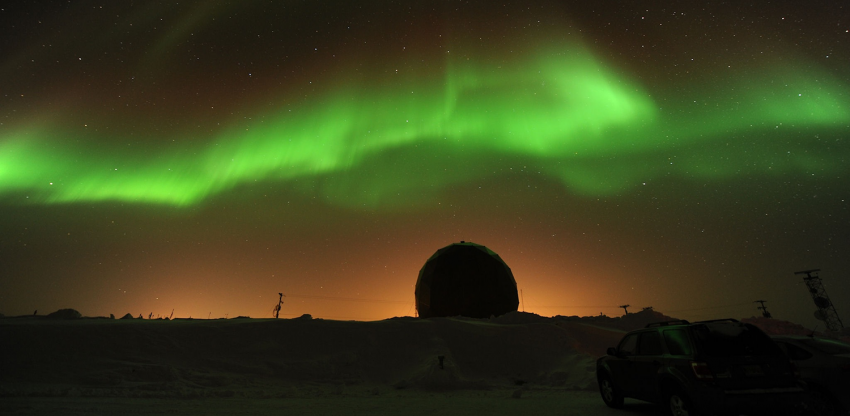
In the Northern and Southern Hemispheres, at certain latitudes, beautiful auroras are known to light up the sky on clear nights. These phenomena are known as the Aurora Borealis (Northern Lights) and the Aurora Australis (Southern Lights). They might be pretty to glance at, but can also be dangerous to the Earth.

Read full article

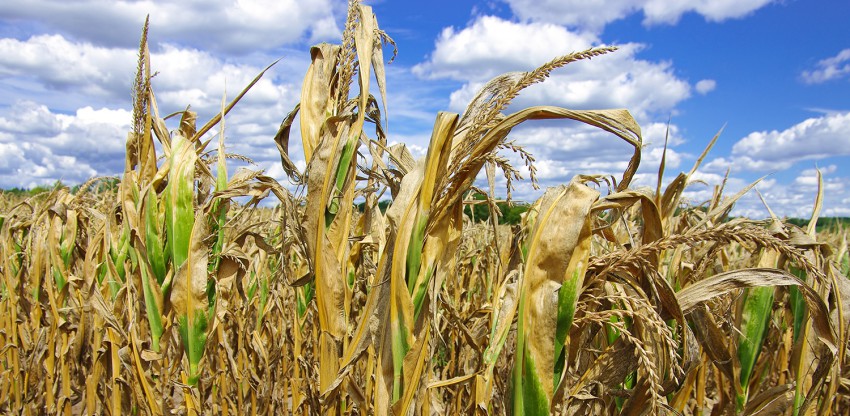
Devastating Droughts through Western North America

The Western United States has been drastically affected with a devastating drought, leaving the area with little water for crops and people, causing fatal wildfires; killing people and cattle. California has been in a severe drought since 2013, with drought status being elevated to exceptional drought in 2014. People on the West Coast are banking on El Nino to help put a dent in this fatal drought, but even a wet winter with higher than average precipitation amounts would still likely leave the region in its drought state. Although any rain will be eagerly welcomed to the region, the dry ground will have a hard time absorbing heavy rain falling at fast rates, perhaps leading to devastating mudslides and landslides.

Read full article

What A Strong El Nino Could Mean for Europe

As we head into the second half of summer, a moderate El Nino pattern that began in March is showing signs of strengthening in the Pacific Ocean. And the official forecasts from several different meteorological agencies in the U.S., Australia, Japan and the United Kingdom indicate a high probability that El Nino will last several more months into early 2016. Not only that, but many climate models used by forecasters also indicate this El Nino may end up being one of the strongest on record. As a result, significant changes to weather patterns all over the world are expected.

Read full article

Tornado frequency in the United States compared to the world

Why are tornadoes more frequent in the United States than anywhere else in the world? The main reason is the United States’ unique topography. Dry, cooler continental-based air from the mountains and Canada collide with moist, warm air from the Gulf of Mexico. This creates the perfect environment for tornadoes to form. The differing winds within these air masses cause vertical wind shear, a change in winds with height, which is critical for tornado formation. The area where all of these ingredients come together is often referred to as Tornado Alley, stretching across most of the Central United States. However, tornadoes occur in every state, including Hawaii and Alaska.

Read full article