Story Behind The Fall Foliage

The Background of Why Leaves Change Colors

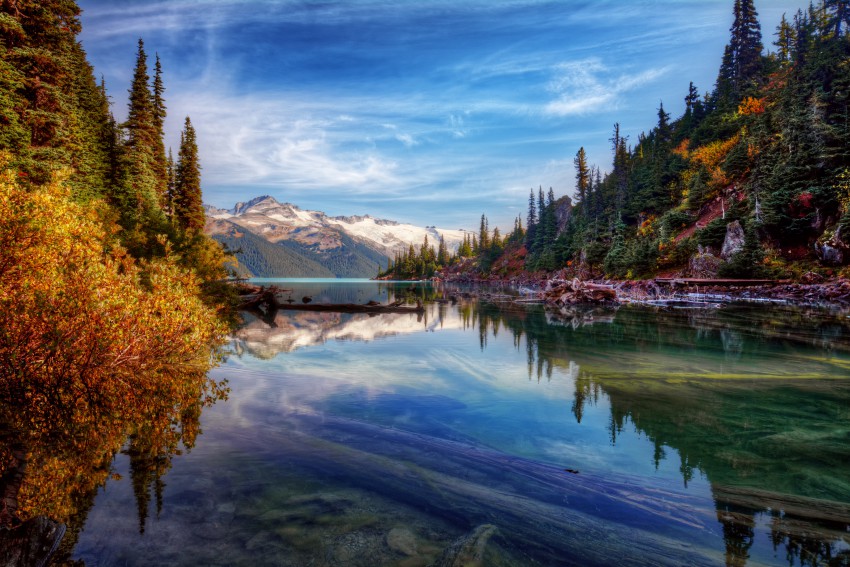
The first subtle sign of fall approaching is the change of color in leaves. Most people assume that the changing of leaves is caused by the cooling weather. However, the longer nights are a main contributor to leaves changing in deciduous trees. During the spring and summer, chlorophyll in plants is broken down by sunlight, through photosynthesis, to provide nutrients to the plant. Throughout these warmer months, the leaves have to produce more chlorophyll to help retain the green coloring and promote photosynthesis. As fall approaches and nightfall increases, the trees goes into hibernation mode, ceasing production of chlorophyll, since there isn’t enough sunlight through the winter months for photosynthesis to effectively take place. As a result, the leaves become more fragile and the color pigments are exposed (USDA, 2014). The common red to blue color pigment found in leaves is called anthocyanins, which is found in flowers, leaves and fruits (The Science of Color in Autumn Leaves, 2015).
Read full article

First Frost

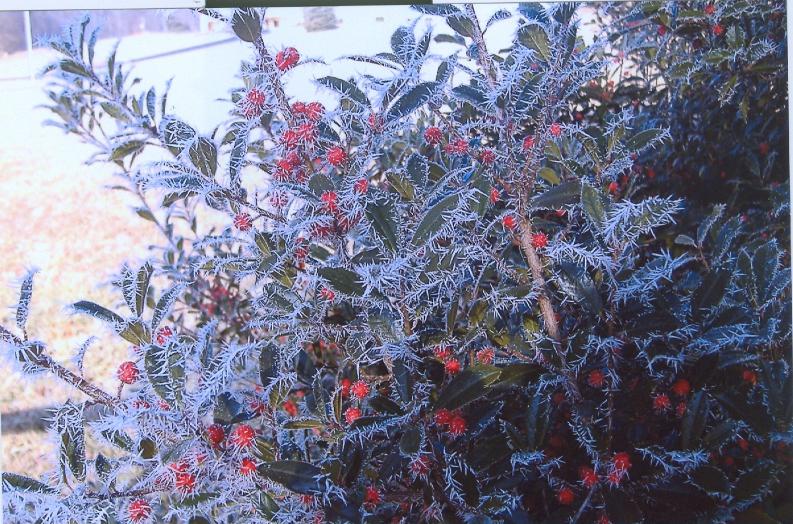
Hoar Frost (Source: National Weather Service)

Autumn has arrived in the United States. As it does so, leaves across the northern two thirds of the country will begin to change color, and temperatures will start their gradual decline from their summertime peaks. And as temperatures start to drop to freezing and below (32°F/0°C), many of us will start waking up to frost on our car windshields, lawns, and gardens.
Read full article

Climate Change and Hurricane Activity

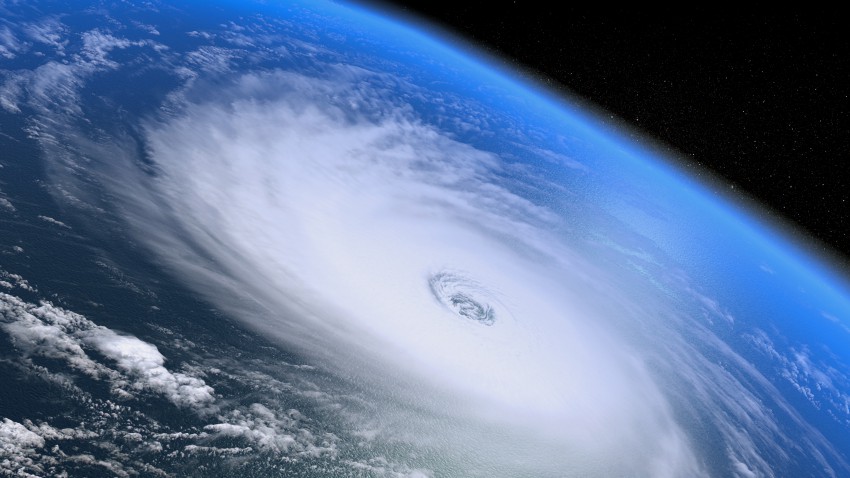
On the heels of the tenth anniversary of Hurricane Katrina’s devastating landfall along the Central Gulf of Mexico, on Monday, August 31st, we recorded a first in the hundred-or-so year history of reliable tropical cyclone tracking: three major hurricanes moving simultaneously across the Pacific.  Fortunately this awe-inspiring moment was of mostly academic interest since none of the three storms posed a significant threat to any populated land masses, but it was certainly an intimidating sight on satellite imagery.  Couple that with Fred becoming the first hurricane to move through the Cape Verde Islands in the far eastern Atlantic since 1892, and it might be tempting to look for a larger causal force behind a perceived growing tropical cyclone threat, such as everybody’s favorite climatic boogeyman, man-made global warming.  However, there’s actually a much more direct correlation between cycles of hurricane frequency, especially in the Eastern Pacific and Atlantic tropical basins, and the warm phase of the ENSO (El Nino Southern Oscillation).
Read full article

Geomagnetic Storms: Beautiful yet dangerous

In the Northern and Southern Hemispheres, at certain latitudes, beautiful auroras are known to light up the sky on clear nights. These phenomena are known as the Aurora Borealis (Northern Lights) and the Aurora Australis (Southern Lights). They might be pretty to glance at, but can also be dangerous to the Earth.

Read full article